In collaboration with National Gallery Singapore, The Theatre Practice launched yet another virtual interactive play directed by Kuo Jian Hong, incorporating theatre, film and puzzle-solving. Having enjoyed (and agonized over) their previous murder mystery titled The Bride Always Knocks Twice – Killer Secrets, my colleagues, my husband and I were excited when they announced this latest play 😀 Available either as a physical-online hybrid or an entirely online experience, participants from anywhere in the world who could guess the answer correctly with the fastest timing stood to win cash prizes of up to $1800!
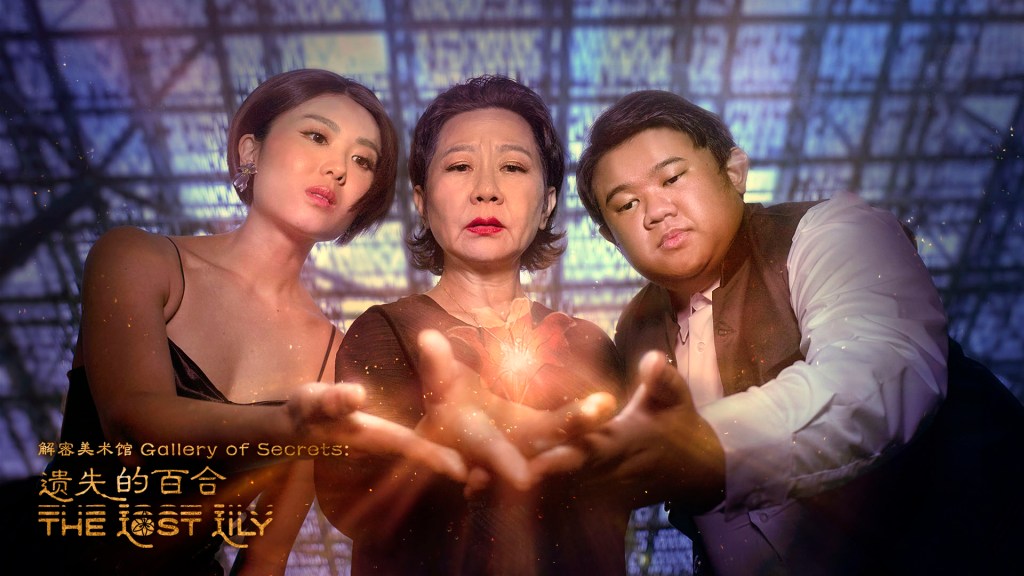
This time, the plot revolved around a family estranged because of one man’s relentless quest to hunt down a mythical treasure. This man began his search during the post-WWII period and as we are gradually privy to those same clues and secrets he uncovered, we are tasked to identify where this treasure is hidden.
There were 3 chapters in total, with Chapter 2 further broken down into 7 levels:
– Chapter 1: Watch the 30-minute play online
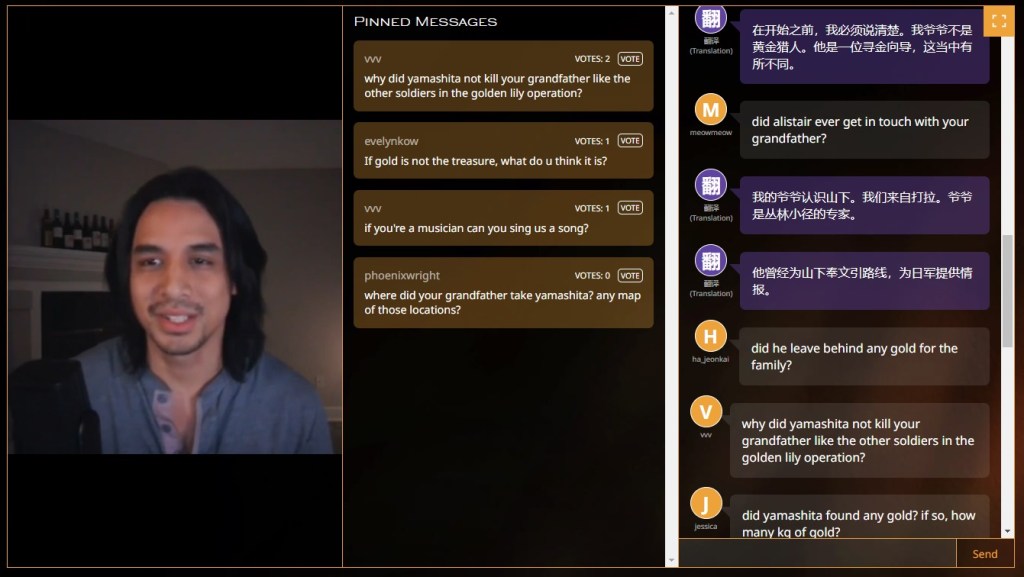
– Chapter 2: Right after the play, piece clues together, solve a series of puzzles, and interview characters (note that these 10-minute live interviews happened at a fixed timing as opposed to the puzzles, which you could come back to anytime before your reserved Chapter 3 time slot)
– Chapter 3: Watch the final 20-minute play online revealing the whereabouts of the treasure
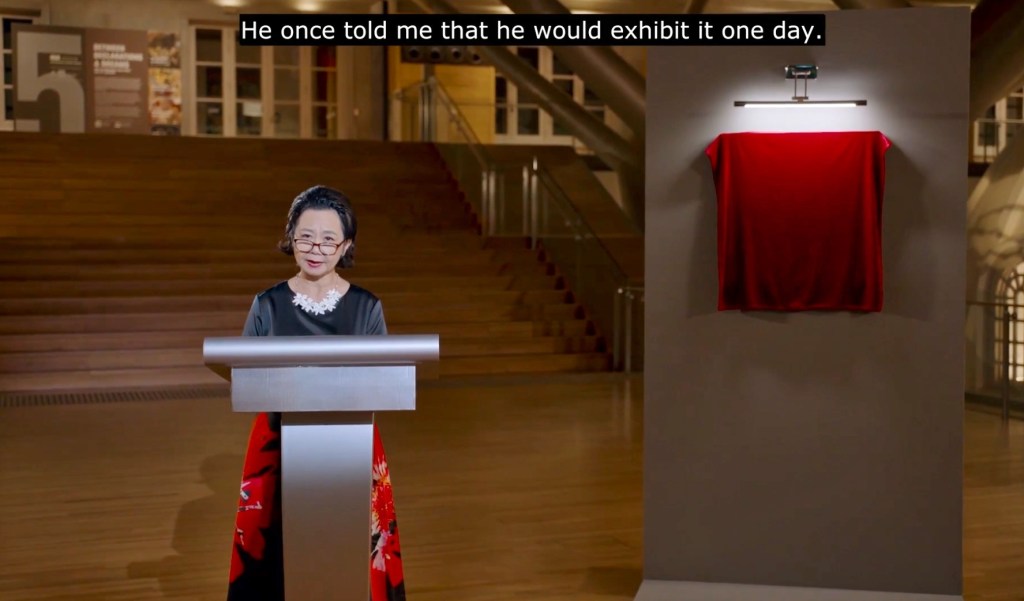
I found the puzzles to be nicely thought-provoking, requiring keen observation, attention to detail and the ability to make links across seemingly unrelated aspects. We explored the grounds of the National Gallery Singapore museum virtually for clues and such, but audiences had the option to do so physically as well. Depending on the time slots you reserved for Chapter 1 and 3, you potentially had up to two weeks in-between to solve the mystery (but that also meant you wouldn’t be in the running for winning the prizes since it was based on the fastest timings).
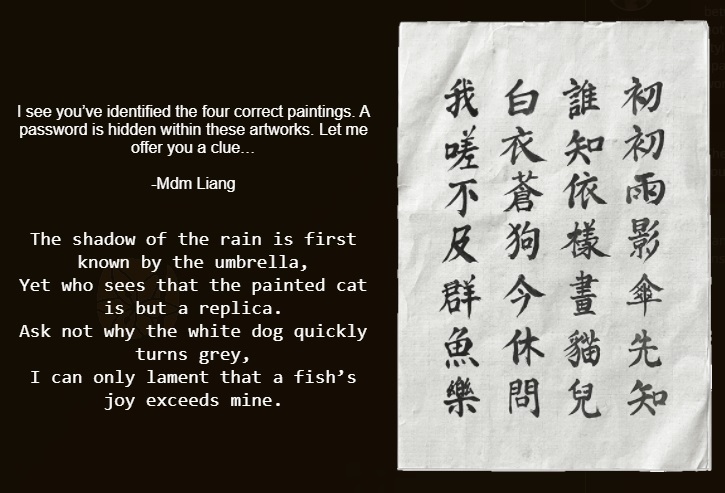
What was different with this second play was the new format of entering answers into a pre-programmed chat bot, as opposed to writing an open-ended essay about how we arrived at our answer. This definitely had its pros and cons. The boon was that we got immediate feedback on whether our answers were right or wrong, which eliminated the agony, uncertainty and the pitfall of overthinking. The bane was that I could imagine people using sheer brute force to solve the puzzles by typing in random answers in order to clock a shorter time for the win. I guess the organizers tried to circumvent this issue by having many possible options so it would still take quite a bit of time even with this trial-and-error method.
Another major difference was the shift in emphasis from theatre and performance to more of the puzzle-solving and code-breaking elements. This was apparent from the shortened durations of Chapter 1 and 3, previously being 45 and 35 minutes respectively. In addition, the interviews in which the actors had to improvise were also cut down from 30 minutes to a mere 10 minutes per actor. Characters in this play were largely one-dimensional and the plot was very straightforward, but it did serve the purpose of moving the story along, as well as providing context and information in a succinct, direct manner.
In the previous play, there were actors who, as part of their characters, spoke in a variety of languages other than English. Unfortunately, the struggle during the live interview portion was that it became terribly difficult to understand what they were saying if you didn’t know those languages. Thankfully, they addressed that by keeping to just English and Mandarin (where limited English translations were provided) this time.

One of the actors, Jef Flores, performed live from Las Vegas every night for this show, so he was basically up at 6am every morning in his timezone (wow, that dedication). Suhaili Safari gave yet another standout performance as she did in the previous play, really getting into character and allowing the audience to immerse themselves more in the plot. The others were less memorable and believable in comparison.

My overall rating of the experience: 4 out of 5 stars. Truth be told, I would’ve liked to see more character and plot development but I reckon it’s not easy to balance the time and costs of fleshing out both the puzzle-solving and story-telling aspects. It felt like the performances played more of a supporting role to the lead act of the show, which was actually the puzzle mystery. With that said, we thoroughly enjoyed the intelligent, challenging puzzles that clearly had tons of thought and ingenuity put into them. We were so close to solving the mystery, faltering only at the final stage! Also, how they managed to translate and execute all this via an online platform is equally remarkable (: If they ever decide to have a third run, we’ll be ready and waiting!
If this post helped you in some way and you’d like to buy me a coffee, I’d be incredibly grateful (:


 Dania Experiences